Get a free mystery needle minder with every order!

A balanced five-colour palette ready for stitching.
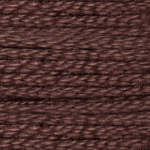
DMC 315 Medium Dark Antique Mauve is a medium-dark red shade from the DMC colour range. The colour looks warm and strong and is suitable when you want to give a design more depth, atmosphere or a recognisable colour accent. The digital colour code #814952 helps with comparison, but the actual skein remains the reference because screens and lighting conditions can show colours differently.
Use DMC 315 for flowers, berries, festive details and warm accents, among other things. The shade works as the main colour in a limited palette, as a transition between a lighter and darker nuance or as a small accent in a detailed pattern. Beautiful combinations arise with pink, wine red, green or a soft neutral shade. Consider not only the individual colours, but also the contrast on your embroidery fabric.
A common mistake is choosing the colour solely from a screen. A shade can also disappear on fabric with almost the same value. Do not confuse the colour number with a nearby DMC code, and check an existing project to see whether you still have thread from the same dye lot. Do not embroider a large area straight away if you are unsure about the combination.
First place the skein on the fabric and view it in both daylight and artificial light. If in doubt, make a small sample with the same number of strands as in your pattern. Note DMC 315 with your leftovers and keep the label so that you can reliably find the colour later. For colour gradients, make a sample row to judge whether the step to the neighbouring shade is natural enough.