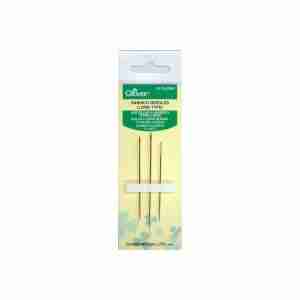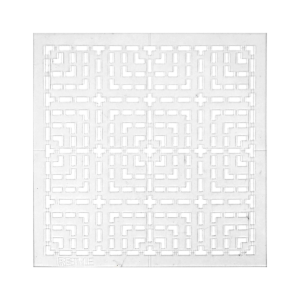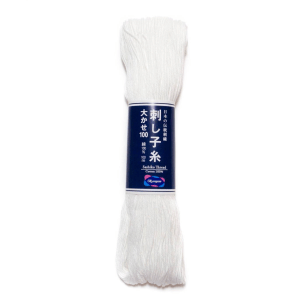
Material
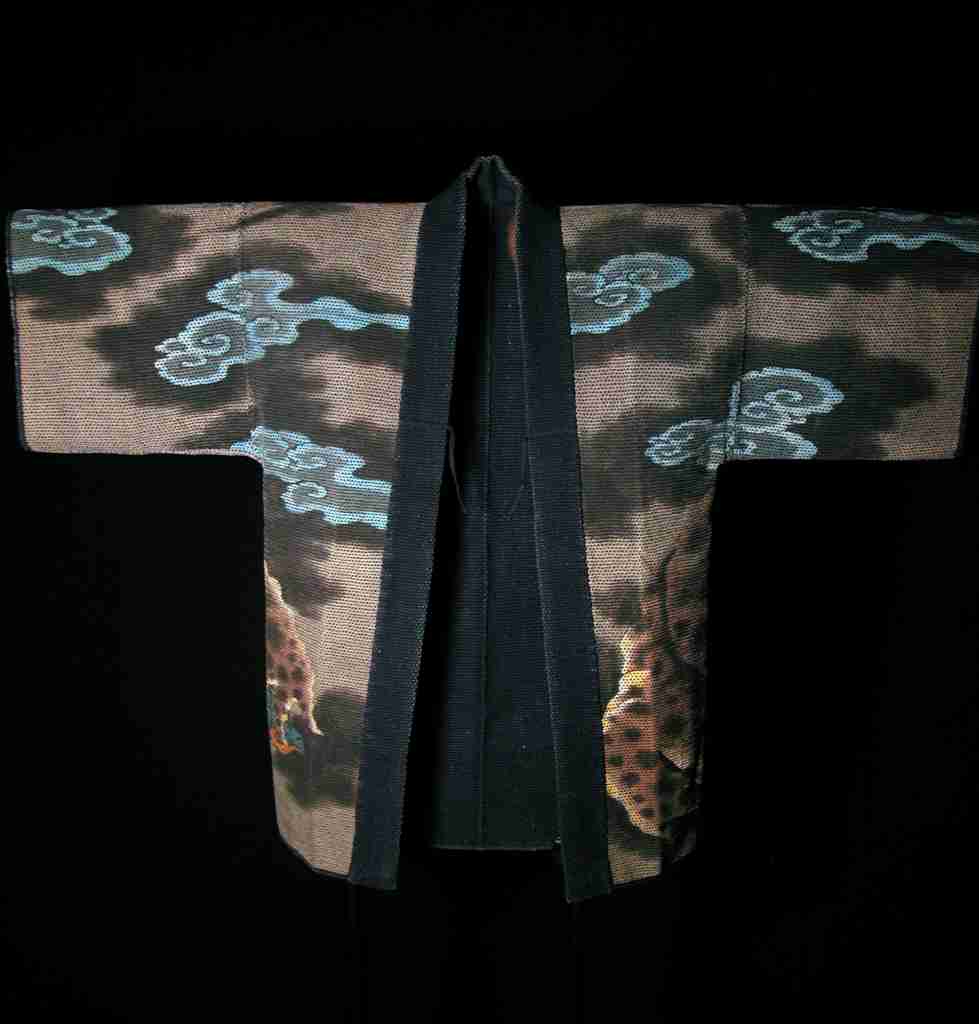
Sashiko is a Japanse borduurtechniek with regelmatige rijgstitches. Oorspronkelijk werd sashiko uset to fabric te verstevigen en te repareren; nu is the also veel toegepast als grafisch, decoratief embroidery.
Sashiko is a Japanese sewing and embroidery technique using small, rhythmic running stitches. Traditionally, you see white or ecru thread on indigo fabric, often in geometric patterns. The stitch can be decorative, but it also has a practical history: layers of fabric were strengthened or repaired with it. What characterises it is the visible rhythm of the line and the space between the stitches, rather than a completely filled ground.
Use sashiko for visible repairs, a reinforced trouser pocket, quilting lines, bags, napkins or a graphic pattern on cotton or linen. It is a lovely choice when you want calm repetition and for the handwork to remain visible. A small geometric motif is an accessible place to start.
Trying to make every stitch exactly the same length can lead to thread that is too tight; rhythm matters more than absolute perfection. Pulling the thread too tightly on the back can also make the front pucker. Do not choose fabric that is too fine for thick sashiko thread, as the holes can quickly become too large.
Mark the pattern with a washable pen or use pre-printed fabric. Load several stitches at once onto a long sashiko needle and let small curves flow smoothly. Do not cut the thread too short; on long straight lines, a comfortable length is calmer to work with than repeatedly fastening off.