


Smocking
Smokwerk is a techniek waarwith fabric eerst in regelmatige plooiand wordt gelegd and daarna with borduurstitches wordt vastgezet. Zo ontstaat a thecoratief and vaak light elastisch onpervlak.
Definition
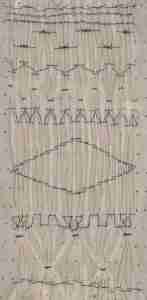
Smocking is a textile and embroidery technique in which you first gather the fabric into regular pleats and then connect them with stitches at set points. This creates repeating structures that can stretch while remaining decorative. The stitches often form diamonds, waves or other geometric patterns. Smocking is common on clothing, but can also be a distinctive detail on cushions, bags and decorative textiles.
When to use
Use smocking when you want to combine volume and some elasticity with a handmade finish. It is suitable for cuffs, sleeves, children's clothing, necklines and small decorative panels. Choose a light to medium-weight fabric with a supple drape that gathers well. Fabric with an even structure makes counting and distributing the pleats easier. Embroidery thread in a contrasting colour can make the pattern more visible.
Common mistakes
Uneven pleat spacing is a common mistake and makes the pattern crooked or restless. Pulling too tightly removes the stretch and can damage the fabric; working too loosely lets the pleats sag. Do not begin stitching until all the gathering threads are evenly distributed. Thread that is too thick can also flatten fine pleats and disrupt the desired rhythm.
Practical tips
Mark a regular grid or use gathering threads to set up the pleats beforehand. Check that the pleats are the same depth before each row. Use a fine needle and work with relaxed tension without forcing the fabric. First practise on a small test piece with your fabric and thread, as the amount of stretch varies by material. Remove temporary gathering threads only once the embroidery pattern is sufficiently secure.
